RAPID CITY, SD – Burn pile permits will be available Nov.1 but before you throw a match to the accumulated branches and twigs, take a look around. If you don’t see plenty of snow, it’s not the time.
Ahead of what could be a dry, warm winter, fire officials are reminding people that until you see significant snow on the ground, you can’t safely light a burn pile.
On Wednesday, Seth Stevens, Assistant Fire Management Officer, Hot Springs District, said snow coverage is crucial to safely burning the season’s burn piles – 2 inches of snow for small piles and 6 inches for anything larger than 6 feet by 6 feet. And, Stevens said, the snow coverage needs to be around for more than the day of the burn.
“But continuous snow, like I said before, that needs to be forecasted as well like it's going to be there for the next three, four days, hopefully longer if you're going to burn your piles,” Stevens said. “If it's going to be 60 degrees and windy the next day or even 40 degrees and windy the next day, your snow is going to go away pretty quick.”
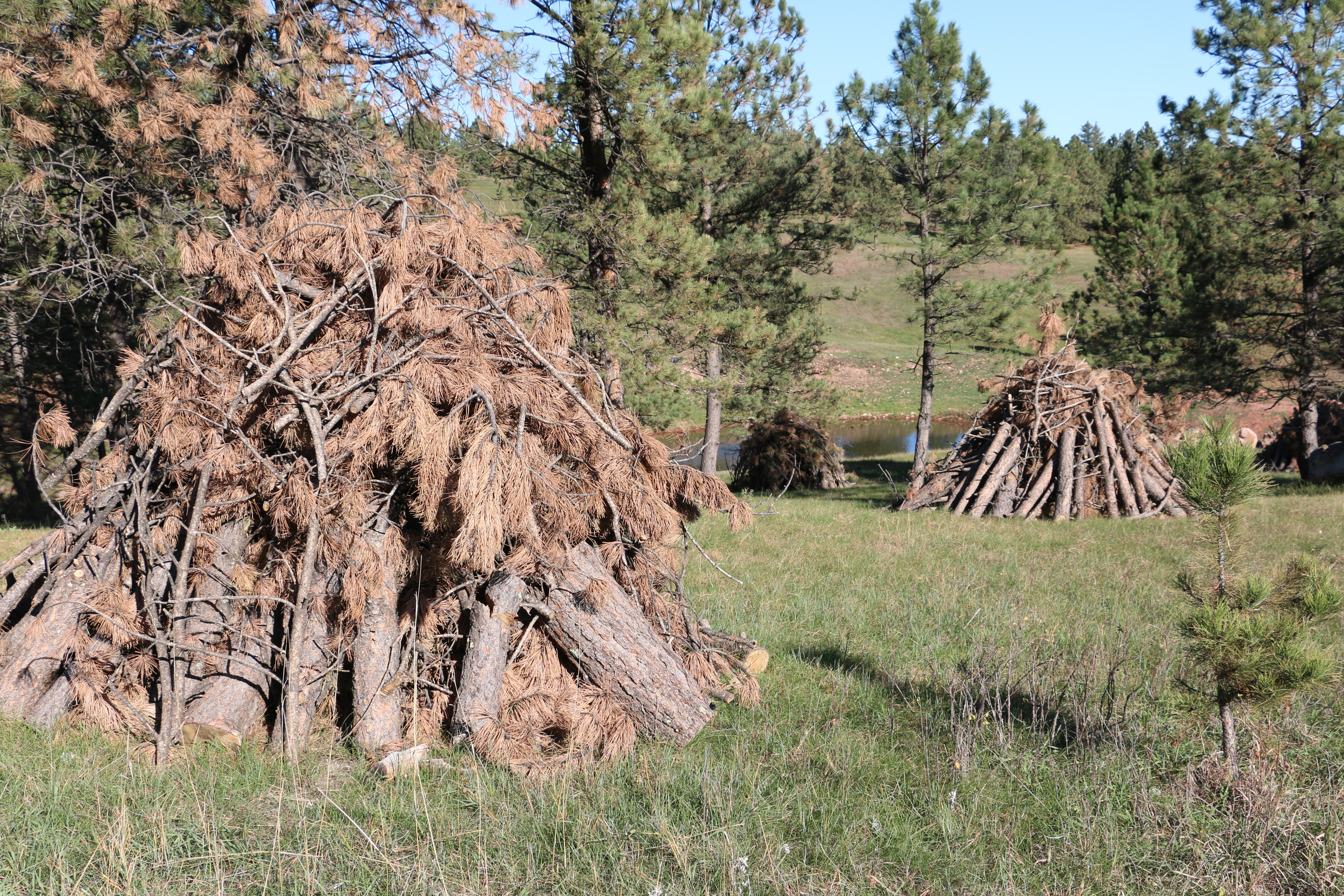
Stevens said burn piles dot the hills’ area. While some people hire a professional contractor to get the burn permit and safely take care of the piles, many people manage their own burn piles. Stevens recommends that landowners with multiple piles don’t light more than can be reasonably handled. Have water, shovels, a rake and other equipment nearby, should a problem arise.
Once the pile is burned down, scrape the hot ashes to the middle and stir and soak them. Hover your hand over the ashes to check for heat and respond accordingly.
“We've responded to escaped slash piles months after they've been lit, so just really paying attention and working those piles is the biggest thing,” Stevens said.
Burn permits will be available Nov. 1 and – weather permitting – close on March 31.
Burn pile permit applications are available at wildlandfire.sd.gov, follow the prompts. If you have any questions about the permit or burning, contact the local office.
There are regulations to follow before burning and those are included with the permit. Permit holders also need to watch the weather for red flag warnings, fire weather watches and high wind warnings – anything that makes a fire more likely to get out of control. And then, of course, pay attention to the snow: “Just because you have 6 in of snow today, doesn't mean you're going to have 6 in of snow tomorrow,” Stevens reiterated.
When the snow finally does fall and it’s safe to burn, Stevens said be sure to call your local county dispatch – the number is on the permit - to let them know you’re burning to avoid an unintentional fire department respond.
“The biggest thing is paying attention to the weather, just because we have snow today, doesn't mean we're going to have snow tomorrow or even three, four, five days out,” he said. “We've seen piles escape months after they've been lit, so just really pay attention to the weather and taking care of your piles.”